
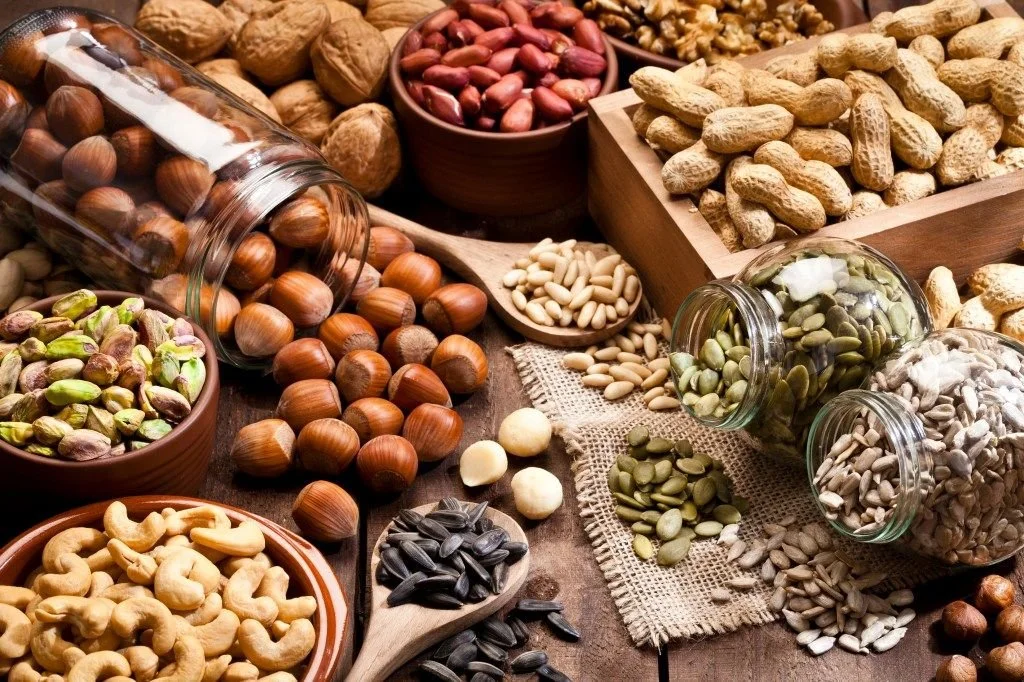
Following my recent gut health talk, I’ve had some great questions about nuts — particularly how fresh they are, how to choose the best quality, and what to look out for when buying them.
And they’re excellent questions!
Nuts are a fantastic addition to a balanced diet, providing fibre, plant-based protein, healthy fats, vitamins and minerals that support gut health and overall wellbeing. But while we often focus on the nutritional benefits of nuts, there’s another important consideration that deserves attention: freshness and quality.
So, let’s crack into the details!
Why does nut freshness matter?
Nuts are rich in unsaturated fats, including monounsaturated and polyunsaturated fatty acids. These fats are beneficial components of a healthy diet, but they are also susceptible to oxidation when exposed to oxygen, heat and light.
Over time, oxidation can cause nuts to develop an unpleasant taste and smell — a process commonly known as rancidity.
Rancid nuts may taste bitter, stale or paint-like, rather than pleasantly nutty. Although eating a small amount of rancid nuts is not usually a cause for alarm, they are best discarded because their flavour and quality have deteriorated.
Freshness also matters for enjoyment. Fresh, good-quality nuts should have a pleasant flavour and texture, making them a delicious and convenient way to add nutrition to your meals and snacks.
6 tips for choosing the freshest, best-quality nuts
1. Check the best-before date
When buying nuts, check the best-before date and choose products with plenty of time remaining.
However, keep in mind that a best-before date is primarily an indicator of quality, not a guarantee that a product is at its freshest. Storage conditions before the nuts reach the supermarket also matter.
Nuts that have been exposed to heat or stored for long periods under poor conditions may deteriorate more quickly.
My tip: Buy from retailers and suppliers with good product turnover and appropriate storage practices.
2. Look closely at the packaging
Packaging plays an important role in protecting nuts from the elements that contribute to deterioration.
When shopping, look for packaging that is:
Well sealed and intact.
Designed to limit exposure to oxygen and moisture.
Protective against light, particularly for nuts high in unsaturated fats.
Avoid packs that are torn, punctured, unsealed or visibly damaged.
If you're buying nuts in bulk, consider how quickly the product moves through the store and whether the display containers are protected from heat, light and moisture.
3. Use your senses to identify rancid nuts
One of the simplest ways to assess nut quality is to pay attention to their smell, appearance and taste.
Fresh nuts generally have a mild, pleasant, characteristic nutty aroma.
Signs that nuts may have deteriorated include:
A stale, sour or paint-like smell.
An unusually bitter or unpleasant taste.
An obvious change in texture or appearance.
If the nuts smell or taste off, don't eat them.
It's important to remember, however, that smell and appearance cannot detect every food safety risk. Some contaminants, including aflatoxins, may be present without obvious signs.
4. Choose Australian-grown nuts where possible
I love encouraging people to consider where their food comes from.
Choosing Australian-grown nuts can be a wonderful way to support local growers and the Australian agricultural industry.
However, there's an important distinction between an Australian-owned brand and Australian-grown nuts. A product may be sold by an Australian company but contain nuts imported from overseas.
Look for country-of-origin information on the packaging to help you make an informed choice.
Australian-grown products are not automatically fresher or safer than imported products, but understanding the origin of your food can help you choose products that align with your preferences.
5. Consider organic nuts — but understand what organic means
Organic nuts may appeal to people who wish to reduce their exposure to certain synthetic agricultural chemicals.
However, organic certification does not automatically mean that nuts are fresher, more nutritious or free from contaminants.
Organic and conventionally grown nuts can both be part of a healthy diet. The quality of the product, food safety controls, storage conditions and freshness all matter.
If buying organic is important to you, look for recognised organic certification rather than relying on marketing terms alone.
6. Store your nuts correctly at home
You've chosen a good-quality product — now it's time to protect it!
Heat, oxygen and light can accelerate the oxidation of the natural oils in nuts. Moisture can also contribute to spoilage and mould growth.
To help maintain freshness:
Keep nuts airtight: Transfer opened packets into a clean, airtight container.
Store them somewhere cool and dark: Keep them away from direct sunlight, ovens and other heat sources.
Refrigerate for longer storage: Refrigeration can help slow the deterioration of the natural oils.
Freeze what you won't use soon: Nuts freeze well and can be stored in airtight, freezer-safe packaging to help preserve their quality.
Avoid moisture: Always use clean, dry hands or utensils when handling stored nuts.
Storage times vary depending on the type of nut, whether it is raw or roasted, how it has been processed and the conditions in which it is stored. Follow the package instructions and check the product regularly.
What about aflatoxins in nuts?
This is an important topic when discussing nut quality and food safety.
Aflatoxins are naturally occurring toxins produced by certain species of Aspergillus mould. Under favourable conditions, these moulds can grow on some agricultural commodities, including peanuts and tree nuts.
Exposure to aflatoxins is a food safety concern because some aflatoxins are carcinogenic, meaning they can increase the risk of cancer with sufficient exposure over time.
The good news is that food safety systems are designed to help manage this risk through appropriate agricultural practices, storage, testing and regulatory controls.
Here's what you can do as a consumer:
Buy nuts from reputable retailers and suppliers.
Choose products with intact packaging.
Store nuts in cool, dry conditions.
Discard nuts that are mouldy, damp, damaged or otherwise suspicious.
One important point: aflatoxins cannot reliably be identified by smell, taste or appearance. Nuts can sometimes contain contaminants without showing obvious signs of spoilage.
This is why appropriate food safety controls and supplier quality assurance are more reliable than relying on your senses alone.
Are nuts good for gut health?
Absolutely — nuts can be a valuable addition to a gut-friendly eating pattern.
Depending on the variety, nuts provide dietary fibre, unsaturated fats, plant protein and micronutrients that contribute to overall health.
Their fibre can help support regular bowel movements and provide nourishment for beneficial gut microbes. Their unsaturated fats also contribute to a balanced dietary pattern associated with cardiovascular and metabolic health.
Different nuts offer different nutritional benefits:
Almonds: Provide fibre, vitamin E and magnesium.
Walnuts: Contain plant-based omega-3 fatty acid ALA.
Pistachios: Provide fibre, protein and a range of micronutrients.
Cashews: Contribute copper, magnesium and plant-based protein.
Brazil nuts: Are particularly rich in selenium, so relatively small amounts can provide substantial quantities.
Variety is a useful approach, although you don't need to eat every type of nut to benefit from them.
For most people, a small handful of unsalted nuts makes a convenient snack or a nutritious addition to yoghurt, porridge, salads and other meals.
If you have a nut allergy, follow your healthcare professional's advice and avoid the nuts that trigger your allergy. People with digestive sensitivities may also need to consider their individual tolerance and portion sizes.
Frequently asked questions about nut freshness
How can you tell if nuts have gone rancid?
Rancid nuts may smell stale, sour or paint-like and often develop an unpleasant bitter taste. Discard nuts that smell or taste off. However, not all food safety risks are detectable through smell or taste.
Should nuts be refrigerated?
Refrigeration is a good option for extending the quality of nuts, particularly in warm environments or when storing them for longer periods. Keep them in an airtight container to reduce exposure to oxygen and moisture.
Is it better to buy raw or roasted nuts?
Both raw and roasted nuts can be nutritious choices. Roasting changes flavour and texture, and the effects on shelf life depend on the processing and packaging. Whichever you choose, look for good-quality products and store them correctly.
Are Australian-grown nuts better than imported nuts?
Not necessarily. Australian-grown nuts can be a great choice if you want to support local producers, but freshness and food safety depend on factors such as harvesting, processing, transport, storage and quality control. Check country-of-origin labelling rather than assuming an Australian brand uses Australian-grown ingredients.
Can you eat nuts after their best-before date?
A best-before date relates primarily to quality. Whether nuts remain suitable to eat depends on how they have been packaged and stored and whether there are signs of spoilage. Use caution, follow the manufacturer's guidance and discard nuts with an unusual smell, taste, appearance or evidence of moisture or mould.
Do organic nuts contain fewer contaminants?
Organic certification relates to specific production standards and may restrict the use of certain synthetic agricultural chemicals. It does not guarantee that nuts are free from contaminants, including aflatoxins, or that they are fresher than conventionally grown nuts.
My takeaway: Enjoy your nuts, but make freshness a priority!
Nuts are nutritious, versatile and easy to incorporate into a balanced diet. There's no need to be afraid of them — just be mindful of quality, storage and food safety.
My simple recommendations are to choose good-quality nuts from reputable suppliers, check country-of-origin labelling if Australian-grown produce matters to you, store nuts properly and trust your senses when something seems wrong.
Remember, though, that freshness and food safety are not exactly the same thing. Good storage and sensible purchasing habits help protect quality, while appropriate food safety controls help manage risks that you cannot see or smell.
Small, thoughtful choices can make a difference to the quality of the foods we enjoy every day.
So, next time you reach for a handful of nuts, take a moment to consider their freshness — your taste buds and your gut will thank you!
If you'd like to learn more about how everyday food choices can support your gut health and overall wellbeing, keep exploring the resources on my website or get in touch to discuss individualised nutrition support.
